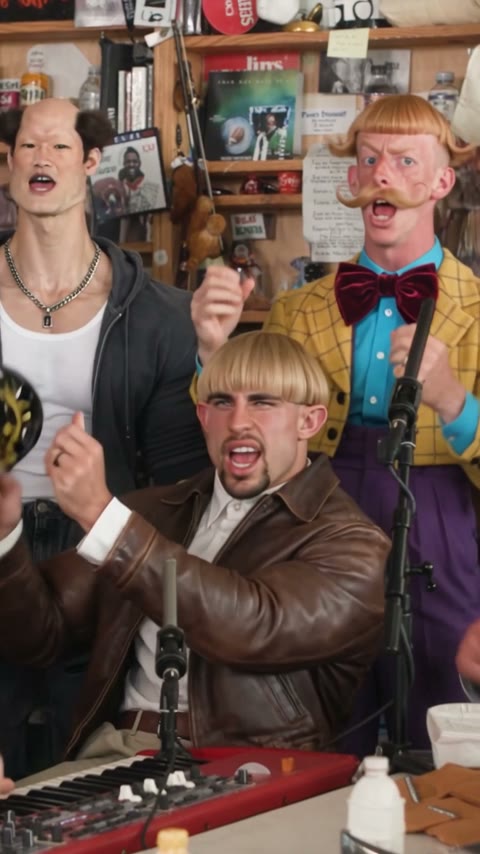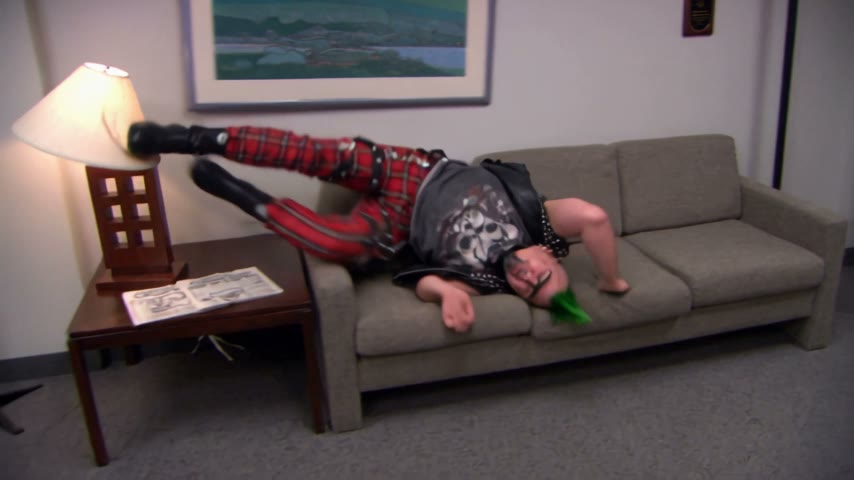
Three coworkers on a Friday
Coworkers put the one who complains the most in photo 1 and the other two on the sides, with everyone's OK, and drop it in the team chat on Friday afternoon.
Add three photos: you take the mic in the middle while two coworkers dance on either side of a music-show stage. Post it the day someone hands in their notice.
Effect
Your photos3 photos
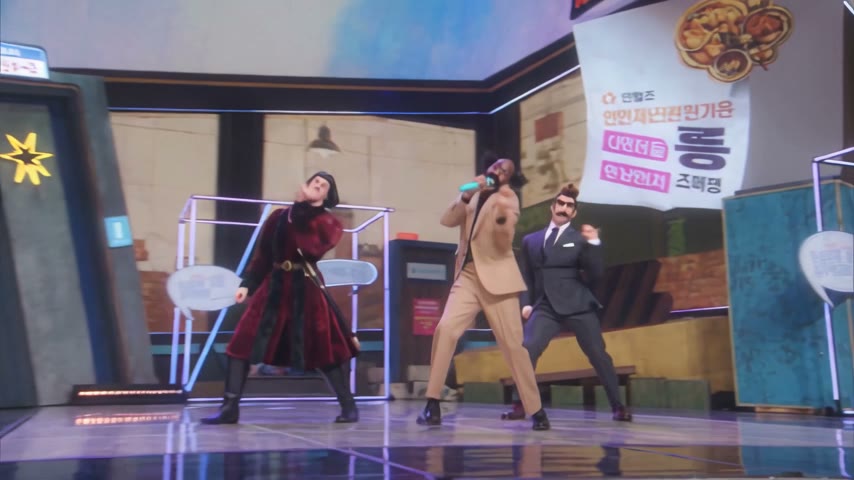
TOESA Quit Job Dance AI turns three photos into a 15-second music-show video with sound: one of you sings into the mic center stage while the other two dance left and right, with wide shots of the whole stage and close-ups of the singer. It's a one-click template, not a prompt-based generator like Sora or Kling, and all three of you share one stage instead of three separate clips.
"I'm gonna TOESA" (퇴사할게여) is SOYEON's song about quitting your job; toesa (퇴사) is Korean for resigning. It came out on September 7, 2026 as the title track of her first studio album and reached No. 1 on Melon's Top 100 on September 21, and office workers turned it into a dance trend with cheerful goodbye waves.
The joke works because a resignation becomes a celebration: nobody cries at their desk, they wave, bow and dance off. Doing it as three coworkers adds the line everyone thinks on a bad Monday: if one of us quits, we all quit.
Add three photos: photo 1 sings in the middle, photo 2 dances on the left, photo 3 on the right. Each face, hairstyle and outfit comes from its own photo. For our test run and which photo works best where, read how to make the TOESA Quit Job Dance AI video.
This template is unofficial and not affiliated with SOYEON, i-dle, CUBE Entertainment or TikTok. Only upload photos of yourself or people who agreed; you must be 18 or older; and photos of celebrities, public figures and children are not allowed.
Coworkers put the one who complains the most in photo 1 and the other two on the sides, with everyone's OK, and drop it in the team chat on Friday afternoon.
Teams make one for a colleague who is actually leaving: the leaver sings center stage and two teammates dance them out. It works as a farewell post or a slide at the goodbye lunch.
Friend trios who know the song make their own music-show debut: three photos, one stage, no choreography to learn. Post it with #퇴사할게여 and #imgonnatoesa.
The template needs three photos. With two people, ask a third friend to join, or try a two-person dance like [Smalltown Boy](/effects/smalltown-boy) instead.
I'm gonna TOESA is a K-pop song by SOYEON of i-dle, released on September 7, 2026 as the title track of her first studio album, with narration by Kian84. Toesa (퇴사) means resigning from a job, so the title reads "I'm gonna quit my job", and mymytune notes it borrows from EX's 2005 job-seeker song Jal Butakdeurimnida.
The song topped Korea's real-time charts on Melon, Genie, Bugs, Vibe and Flo by September 18, 2026 and hit No. 1 on Melon's Top 100 on September 21. Its music video had 21.1 million YouTube views by October 9, 2026, and the dance spread on TikTok under #퇴사할게여 and #imgonnatoesa, with people waving goodbye to their office.
SOYEON releases I'm gonna TOESA as her album's title track. The Mikan Box
Office workers relate: it tops five Korean real-time charts. The Mikan Box
It reaches No. 1 on Melon's Top 100. The Mikan Box
The quit-job dance spreads on TikTok; the MV passes 21.1M views. mymytune
Three photos, one for each spot on stage. Watch it with the sound on.
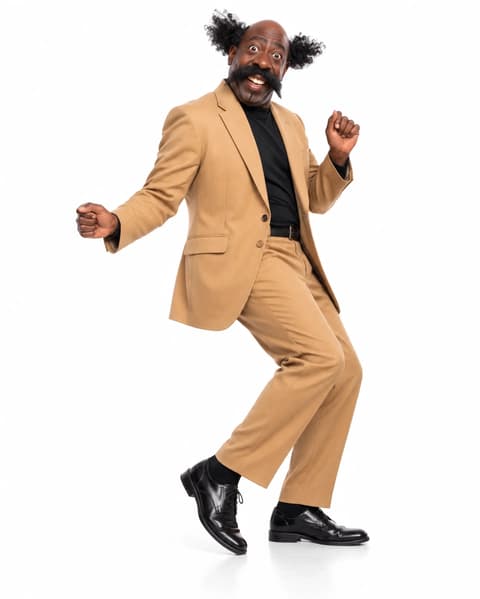
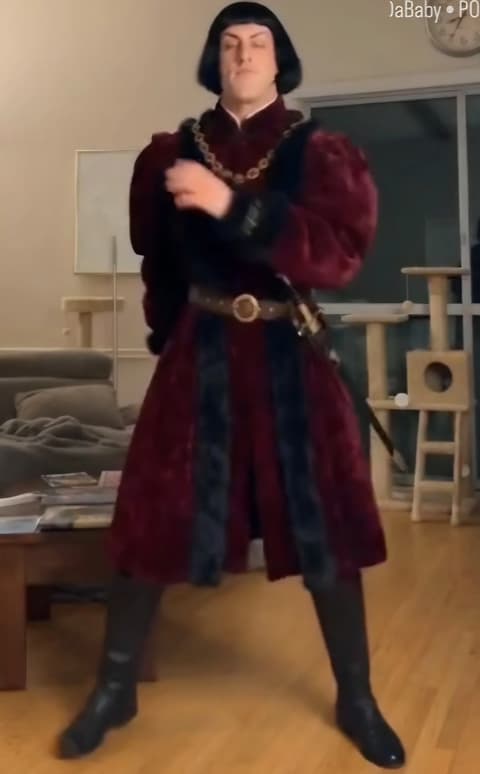
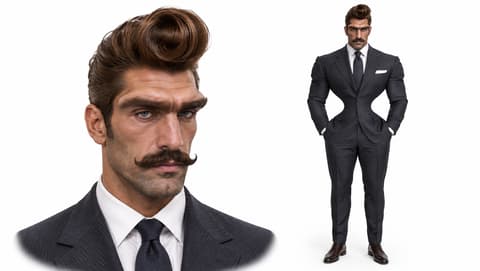
Photo 1 holds the mic in the middle and gets every close-up. Give it to the one who's actually quitting.
One person per photo, full body or waist-up, facing the camera. Photo 2 dances on the left, photo 3 on the right.
Check the credits on the button, tap Generate and wait about 5 minutes. Download the MP4 from My Videos.
Half of the 15 seconds are wide shots of the whole stage, so all three of you are seen head to toe; full-body photos with a clear face work best.
Full body, face visible
Head to shoes, even light.
One person per photo
Three separate photos.
Group shot
Each spot needs its own photo.
Tiny or blurry face
Wide shots shrink it even more.
You get a real music-show stage with all three of you in it: a singer with the mic in the middle, two dancers on the sides, and the camera cutting between wide shots and close-ups, instead of three solo clips stitched together.
Each face, hairstyle and outfit comes from its own photo and holds through every cut, and nobody ends up with someone else's face or suit.
The clip runs 15 seconds with sound, 16:9 like a TV broadcast, ready to drop in a group chat or post as it is.
One video is 385 credits, about $4.27 from the one-time $5.99 starter pack, with no subscription, and that covers all three people. The MP4 has no watermark, and failed generations return their credits.
Unlike Sora or Kling, you don't write or tune a prompt, and nobody has to learn the dance or stitch clips in CapCut. Add three photos in your browser.
The TOESA Quit Job Dance trend is a TikTok dance to SOYEON's song I'm gonna TOESA (퇴사할게여), released September 7, 2026, in which people wave goodbye to their job and dance off cheerfully. With TOESA Quit Job Dance AI, three photos put you and two friends on a music-show stage doing it.
Toesa (퇴사) is the Korean word for resigning from a job, so I'm gonna TOESA means "I'm gonna quit my job". The song turns quitting into a happy, celebratory moment.
It's also called I'm gonna TOESA, 퇴사할게여 and 퇴사할게요. On TikTok it runs under the hashtags #퇴사할게여 and #imgonnatoesa; 퇴사할게여 is the playful spelling from the song title, and 퇴사할게요 is the standard spelling.
0–1s, the singer starts into the mic in a mid shot; 1–3s, a wide shot shows all three of you in a row on stage; 3–5s, a close-up of the singer while a dancer leans in; 5–8s, wide shot, all three dance, the side dancers kicking and swinging their arms; 8–9s, the singer touches their head in a close-up; 9–12s, all three bounce forward across the stage; 12–13s, singer close-up with both hands moving; 13–14s, the three of you finish side by side with the audience in view.
Yes. TOESA Quit Job Dance AI takes three photos and puts all three people on the same stage: photo 1 sings in the middle, photo 2 dances on the left and photo 3 on the right. You don't have to make three separate videos and edit them together.
No. The dance moves, camera cuts and stage are already in the template; you only add three photos.
Not completely. New accounts get 75 free credits, and one TOESA Quit Job Dance AI video costs 385 credits. The one-time $5.99 starter pack (540 credits) covers one video, about $4.27 for all three people, with 155 credits left in your account and no subscription. The exact credits show on the Generate button, and failed generations are refunded automatically.
Four reasons: all three of you look like your photos, it costs less, you get a clean video, and it's ready to post.
All three look like your photos: each face, hairstyle and outfit stays on its own person through every cut, and in our test nobody traded faces or places, so you don't spend credits on retries.
Costs less: about $4.27 for one 15-second video with three people, from a one-time $5.99 pack, with no subscription.
Clean video: every plan, including free credits, downloads a watermark-free MP4, and failed generations return their credits.
Ready to post: 15 seconds with sound, no prompt, no choreography and no editing.
It takes about 5 minutes. The video is 15 seconds, 480p, 16:9 widescreen like a TV stage, with sound and no watermark; vertical apps like TikTok and Reels show it with bars above and below.
Your video already comes with sound. Caption it with who's quitting, tag the two dancers, and add #퇴사할게여, #imgonnatoesa and #toesachallenge.
Usually it's the 480p wide shots, where all three people are small on a big stage. A full-body photo with a sharp, front-facing face helps the most, so use one like that and run the template again.
Usually it's a small, blurry or side-on face, such as one cropped from a group photo. Use a separate sharp, front-facing photo for each person, then run the template again.
Your photos and videos stay in your account, so you can download them again from My Videos at any time. They are never used to train AI models and are not sold or shared, except with the video model provider that renders your clip.
Last updated