Couples who can’t do the lift
Most couples who try the real shoulder carry end up on the floor. Put the carrier in photo 1 and the partner who loves the camera in photo 2, and post it without anyone getting hurt.
Add a photo of each of you. One carries the other on their shoulders, spins around, and the other drops over their back to grin at the camera. No lifting, no filming.
Effect
Your photos2 photos
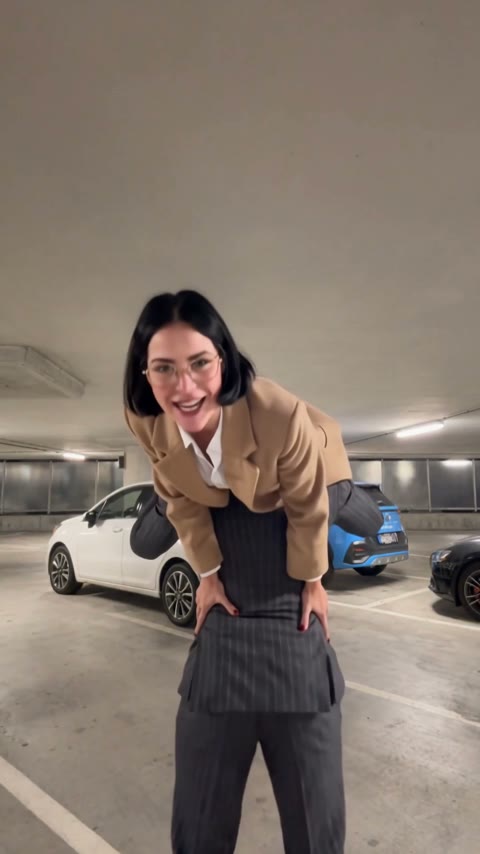
Shoulder Carry AI Trend turns two photos into a 9-second vertical video with sound: in an underground parking garage, the person in photo 1 carries the person in photo 2 on their shoulders, turns around, and the rider folds over their back to face the camera and laugh. It’s a one-click template, not a prompt-based generator like Sora or Kling, so nobody has to lift anyone or film anything.
The Shoulder Carry trend is a TikTok couple bit set to the line “’cause I’m the one”: one partner holds the other across their shoulders, spins on the spot, and the one on top flops forward over their back to land face-first in the camera, grinning like they won.
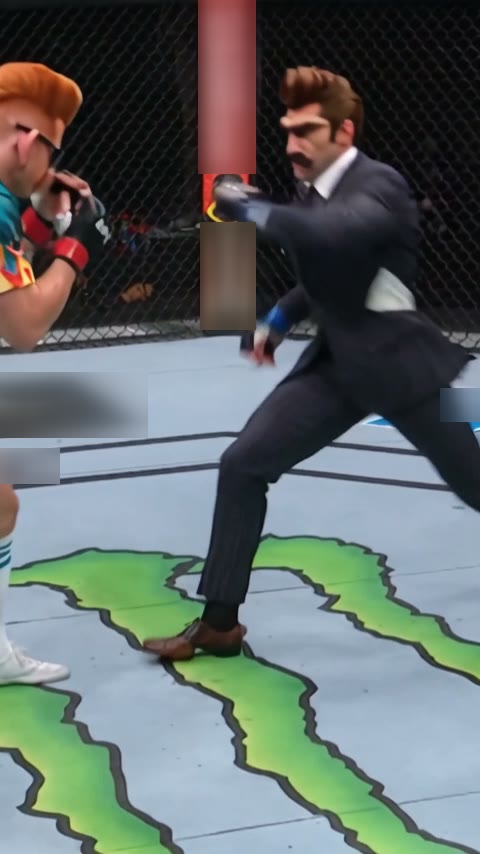
The laugh is in the flip of roles. For three seconds the carrier owns the shot, then they turn away, bend over and become a piece of furniture while the rider takes the close-up. In our demo, a man with a towering quiff and a pinstripe suit does the lifting, and a woman with a black bob, gold glasses and a camel blazer ends up laughing at the lens.
Add two photos: photo 1 is who carries, photo 2 is who gets carried and grins. Put whoever should get the close-up in photo 2. The step-by-step guide has our exact prompt and what came out right and wrong in our test.
This is an independent fan template, not affiliated with any TikTok creator or artist. Use your own photo or photos of adults who agreed to appear, and ask your partner before you post. You must be 18 or older to use the template. Photos of celebrities, public figures and children are prohibited.
Most couples who try the real shoulder carry end up on the floor. Put the carrier in photo 1 and the partner who loves the camera in photo 2, and post it without anyone getting hurt.
You don’t need a photo together or to be in the same city: one solo photo of each of you is enough. Send it to your partner first, then post it as the soft launch.
The trend works for any two people who wind each other up. Whoever loses the bet goes in photo 1 and spends the video bent over.
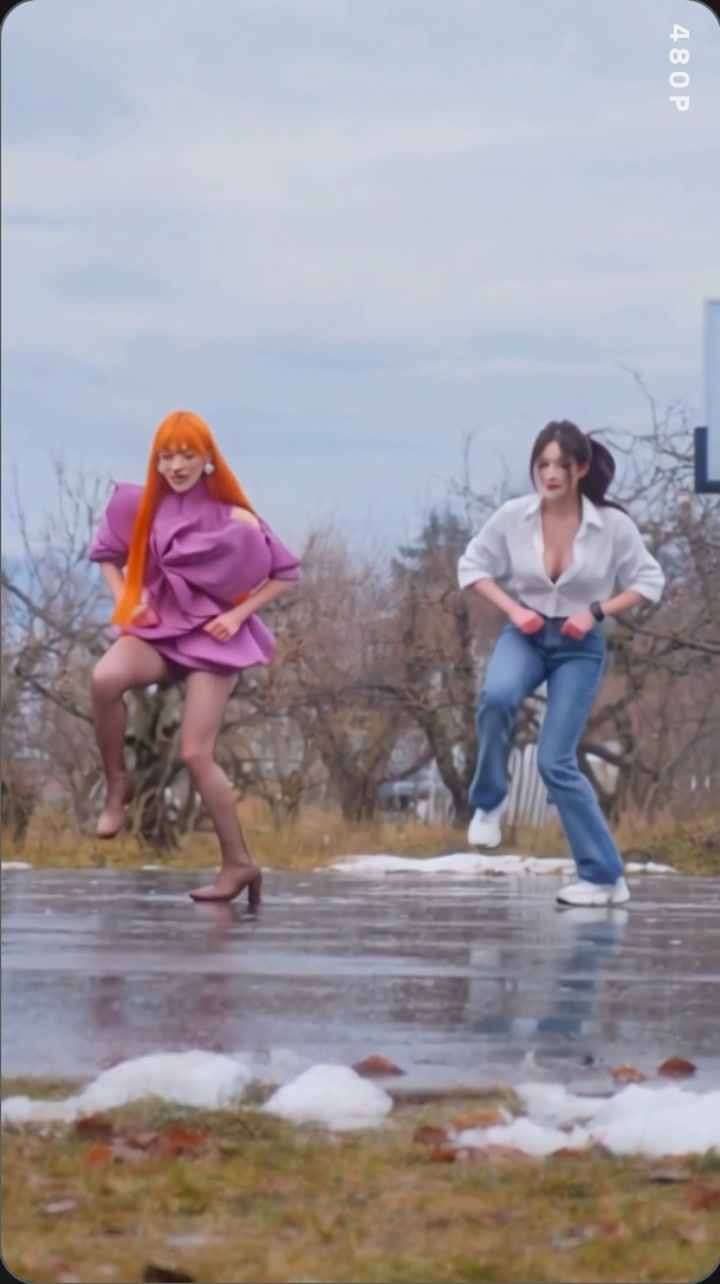
This template needs both slots filled, one photo per person. For two dancers instead, try the [Ice Ice Baby duo dance](/effects/ice-ice-baby-duo-dance-ai-video), or make a couple moment with the [AI kiss generator](/ai-kiss-generator).
The Shoulder Carry trend grew out of the “I’m the one” couple lip-sync that took off on TikTok in October 2026: @lena.d_spam’s couple clip from October 17 had 1.95 million views by November 18. The sound is a sped-up rap line tagged on TikTok as “Famous (I’m the One)” by Mozzy & Iamsu!, not DJ Khaled’s 2017 song “I’m the One”.
Couples then added the shoulder carry and the turn, and by November AI versions made from two photos were everywhere, because most people can’t (or shouldn’t) lift their partner in a parking garage. A tutorial by @lisa32973 posted on November 12 reached 834,000 views and 6,049 shares. As of November 18, 2026, #imtheonetrend holds 3,020 videos with 7.9 million views, and #shouldercarrytrend another 3,014 videos with 7.4 million.
The “I’m the one” couple lip-sync takes off: 1.95M views for @lena.d_spam. TikTok @lena.d_spam
A shoulder carry AI tutorial by @lisa32973 hits 834K views and 6,049 shares. TikTok @lisa32973
#imtheonetrend reaches 7.9M views and #shouldercarrytrend 7.4M, as of November 18. TikTok #shouldercarrytrend
Decide who carries and who gets the close-up, then play it back with sound.
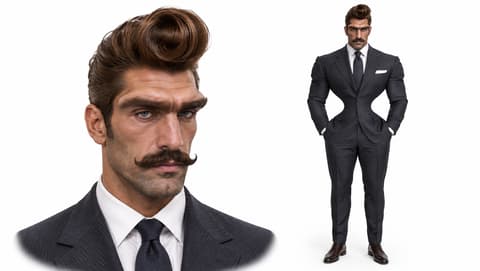
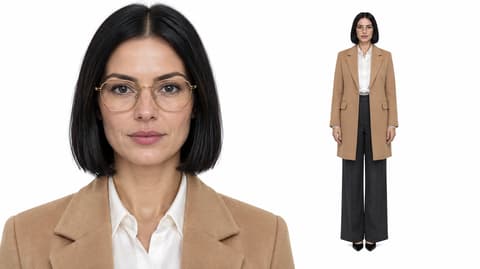
Photo 1 carries and shows their face for about 3 seconds; photo 2 gets carried and fills the last 5 seconds. Put whoever should be seen most in photo 2.
Upload one sharp photo of each person, ideally head to toe, because the clothes in the photos are what you wear in the video. Ask your partner first.
Check the credit cost on the button, tap Generate and wait about six minutes. Download the MP4 from My Videos.
Both of you are on screen head to toe, but only one face gets the close-up, so pick the order first and then the photos.
One face, clearly lit
Especially for photo 2, whose face fills the close-up.
Different looks
A suit and a blazer, or any two outfits that tell you apart.
A couple photo
Use one photo per person, or the roles can mix up.
Covered faces
Skip sunglasses, masks or hair over the eyes.
The carrier and the rider each come from their own photo, so the lift, the 180° turn and the flop-over all happen to the right person. In our first run, each face stayed on its own body.
Faces, hair and outfits come from each photo: in our demo, a pinstripe suit carried a camel blazer and a white shirt.
The finished clip is 9 seconds in a 9:16 frame at 480p with sound, ready for TikTok, Reels or Shorts.
Download a watermark-free MP4. If a generation fails, the credits go back to your account automatically.
Unlike Sora or Kling, you don’t write or tune anything, and you don’t need CapCut or a tripod in a parking garage. Add two photos in your browser and tap Generate.
The Shoulder Carry AI trend is a TikTok couple video from late 2026: one person carries the other on their shoulders, spins around, and the rider flops over their back to grin at the camera on the line “’cause I’m the one”. The AI version makes it from one photo of each person, so nobody has to do the lift.
It’s also called the I’m the One trend, Shoulder Carry I’m the One and the couple shoulder carry trend. The names come from the TikTok tags #imtheonetrend and #shouldercarrytrend and from tutorial captions like “Shoulder Carry I’m The One trend”.
0–3s, the person from photo 1 faces the camera with the person from photo 2 sitting on their shoulders, legs swinging over their chest; 3–4s, the carrier turns 180° and bends forward; 4–9s, the rider folds over the carrier’s back, faces the camera, rests both hands on the carrier’s lower back and laughs, while the carrier stays bent over.
The Shoulder Carry trend uses a sped-up rap line, “’cause I’m the one”, tagged on TikTok as “Famous (I’m the One)” by Mozzy & Iamsu!. It is not DJ Khaled’s 2017 song “I’m the One”, and the full lyric is explicit.
In a Shoulder Carry AI video, photo 1 always does the carrying and photo 2 always gets carried. The carrier’s face shows only for about 3 seconds before they turn away, while the rider fills the last 5 seconds, so put whoever should be seen most in photo 2.
No. A Shoulder Carry AI video needs one solo photo of each person, no couple photo, no filming and no real lift. That also works for long-distance couples: use your partner’s photo with their permission.
We have only tested a man carrying a woman so far. The roles follow the photo order, so you can put anyone in photo 1, but we haven’t checked how a smaller carrier or two friends of the same build look yet.
Mostly yes. In our Shoulder Carry AI test, both people kept their faces, hair and clothes from their photos, including a pinstripe suit, a camel blazer and gold glasses. Two details slipped: the rider’s black heels came out as brown cowboy boots, and the carrier borrowed her glasses.
Usually it’s because only one of the two photos has glasses, and the model lets both people share them; in our test, the carrier picked up the rider’s gold glasses. If that matters, use a photo without glasses and run this template again.
Usually it’s the move itself: the carrier turns away from the camera at about 3 seconds and stays bent over to the end. Switch the order of your photos if the other person should get the close-up.
Not completely. New accounts get 75 free credits, and one Shoulder Carry AI video costs 260 credits, about $2.88 each from the $5.99 starter pack of 540 credits, which covers two videos with no subscription. The exact credits show on the Generate button before you start, and failed generations are refunded automatically.
Four reasons: you both look like your photos, it costs less, you get a clean video, and it’s ready to post.
Looks like you both: each person keeps their own face, hair and clothes through the lift and the turn, and nobody ends up with the other person’s face. Our first run of this exact setup worked, so you don’t spend credits on retries.
Costs less: about $2.88 a video from a one-time $5.99 pack, with no subscription.
Clean video: every plan, including free credits, downloads a watermark-free MP4, and failed generations are refunded.
Ready to post: 9 seconds, vertical 9:16 with sound, so it goes straight to TikTok, Reels or Shorts without editing.
Yes. The Shoulder Carry AI video is a vertical 9:16 MP4, 9 seconds at 480p with sound, so you can post it to TikTok, Reels or Shorts as is. Add an AI-made label when the platform asks.
Your photos and videos stay in your account, so you can download them again from My Videos at any time. They are never used to train AI models and are not sold or shared, except with the video model provider that renders your clip.
Last updated