Framing
- → Knees up or full body, so the far-back hops look right
- → Face toward the camera
- → Sharp and well lit, no heavy filter
You squash your friend on the beat, you swap places, and they get their revenge. Add one photo each and tag your friend.
Effect
Your photos2 photos
Hop Hop Hop AI Dance turns two photos into a 9-second vertical video with sound: one person stands at the camera and squashes the other, who hops far behind, then they switch places and the squashing goes the other way. It's a one-click template, not a prompt-based generator like Sora or Kling. Each friend keeps their own face, hair and outfit from start to finish, including after the switch.
The trend uses Shluzov's Russian song "Её парень" ("Her Boyfriend"), slowed down. One person points at a friend far behind them, lowers a flat hand on the beat as if pressing them into the floor, and the friend squats down. A hard cut around the 4-second mark puts the friend at the camera, and now they do the squashing.
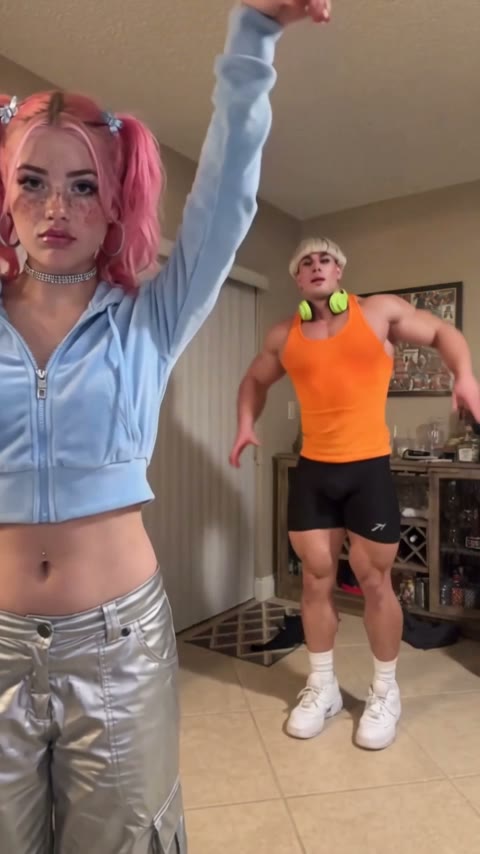
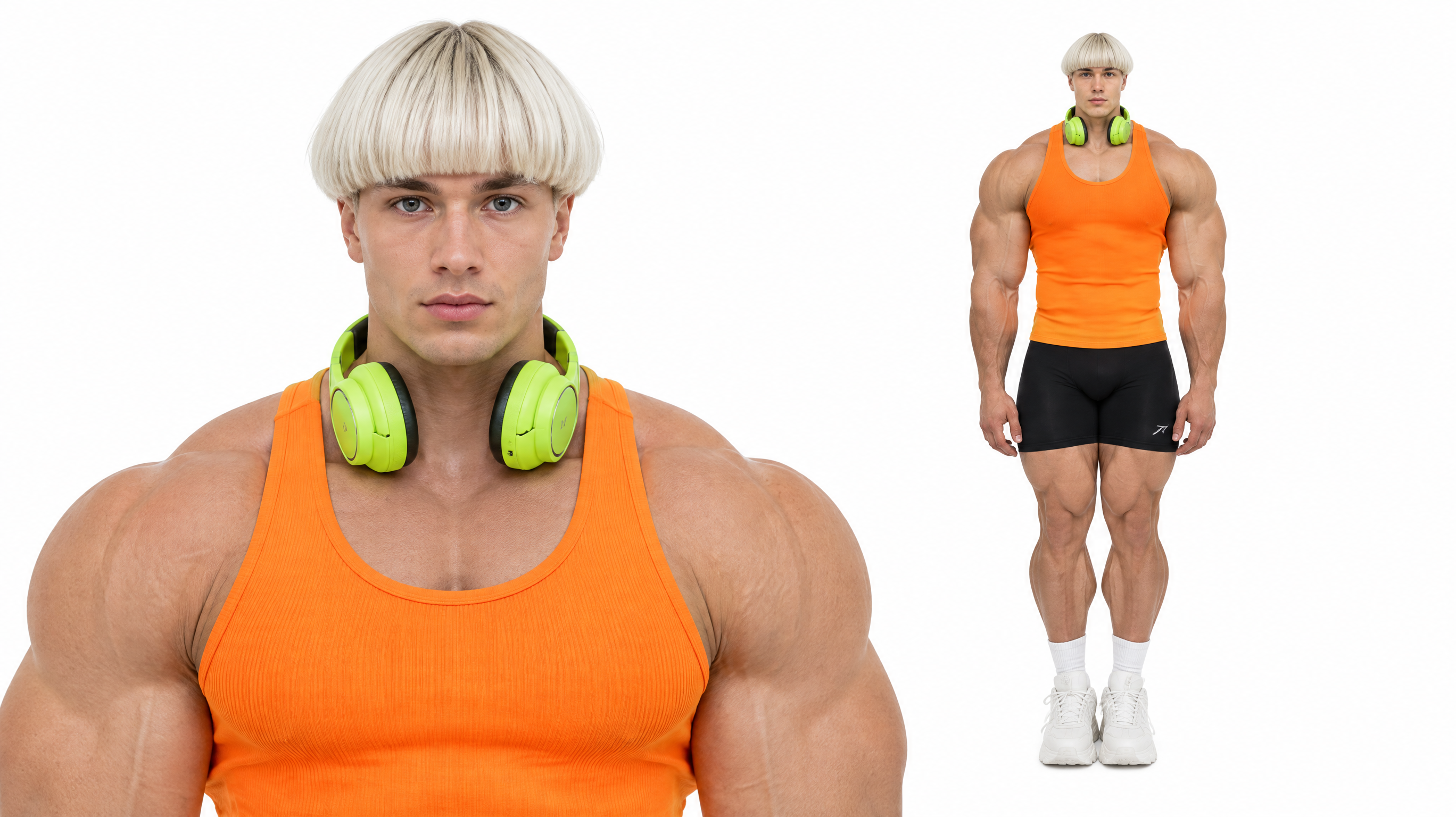
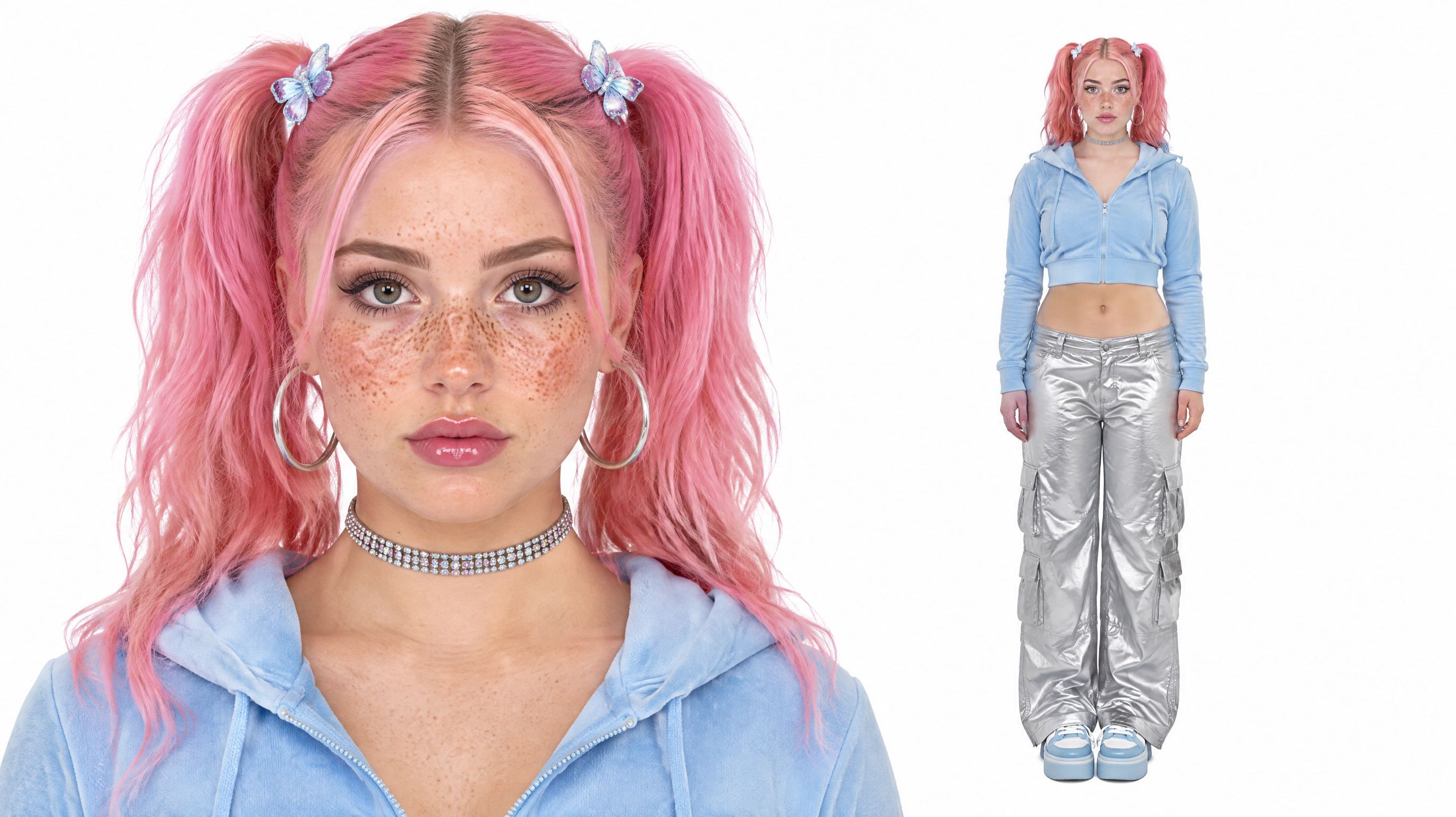
The forced perspective is the joke: up close, your hand is bigger than your friend, so you can flatten them like a bug. The switch is the payback. In our test the muscle guy in the orange tank top gets squashed first by his pink-haired friend, then towers over her in the second half.
Upload two photos, one person each. Photo 1 is whoever starts far back and gets squashed first; photo 2 starts at the camera. Faces, hair and clothes come from your photos; the living room, the moves and the sound come with the template. Our Hop Hop Hop AI Dance tutorial shows the three tests it took to get the switch right.
Fan-made template, not affiliated with TikTok, Shluzov or the creators of the trend. Only upload yourself or people who said yes. You must be 18 or older, and photos of celebrities, public figures or children aren't allowed.
The Hop Hop Hop trend is a two-person TikTok gag set to Shluzov's "Её парень" ("Her Boyfriend"), released on 23 January 2026 and played on TikTok at roughly 0.79× speed. The sound was first used on 24 September 2026.
It took off with an 18 October 2026 post by @gabilagaba, which had 3.7 million views by 30 October, so some people call it the gabi trend. A real-people version by @nirami1 followed on 24 October (1.4 million views), and on 25 October @pouzato7 posted an AI version that reached 2.6 million views. CapCut templates and photo generators showed up within days.
Shluzov releases "Её парень", the song behind the trend.
The slowed sound is first used on TikTok.
@gabilagaba's squash-and-switch post takes off; the gabi trend is born.
@pouzato7 posts an AI version; AI remakes start spreading. TikTok
@gabilagaba at 3.7M views, the AI version at 2.6M, as of October 30.
Two photos: squash your friend on the beat, then get squashed back.
The Hop Hop Hop template is already open at the top of this page, with Wan 3.0 and the prompt set up: 9s, with sound.
Photo 1 starts far back and gets squashed first; photo 2 starts at the camera. One person per photo, knees up or full body.
Press Generate. It takes about 3 minutes and lands in My Videos, so you can close the tab. Download the MP4 without a watermark and post it.
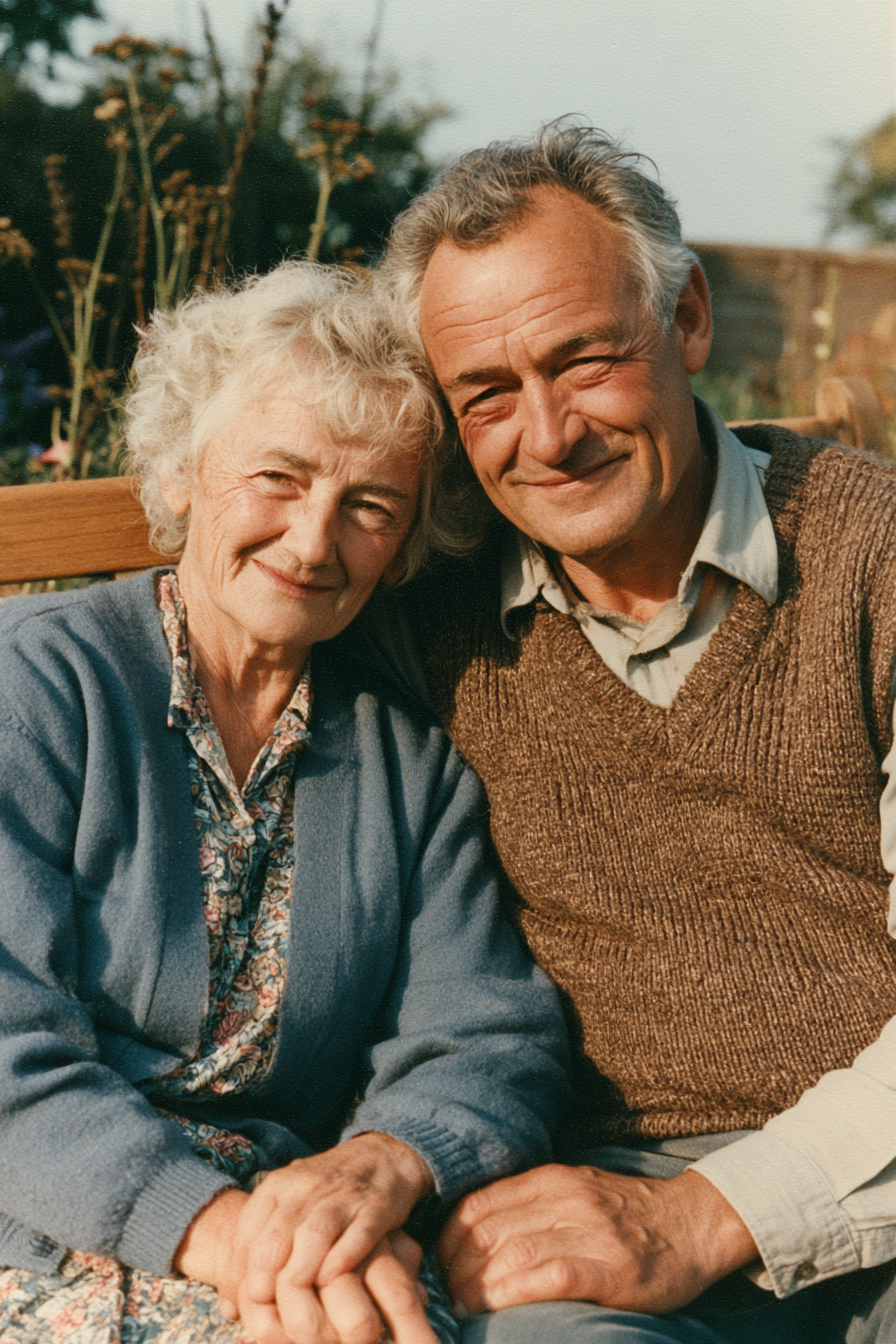
The best photos for the Hop Hop Hop AI Dance are two separate photos of one person each, knees up or full body, facing the camera, because each person spends half the video small and far away, where only a clear outfit and body keep them recognizable.
Two different looks
Different outfits and hair keep each person in place after the switch.
Whole body in frame
Each person is tiny in the back half of the video.
Both people in one photo
The model can't tell who plays which part.
Covered faces
Sunglasses, masks or hands over the face.
Two friends upload one photo each and post the Hop Hop Hop AI Dance with a caption about who really wins. Put whoever deserves to be squashed first in photo 1.
The song title means "Her Boyfriend", so couples use it to squash each other in turn: one photo of you, one of your partner, posted on TikTok or Reels.
With a friend's OK, put their full-body photo in slot 1 and yours in slot 2, so you get to squash them first, then send the 9-second clip to the group.
Same framing as the trend: a big hand up close, a tiny friend far back, a hard cut around the 4-second mark, then payback. Nothing is skipped or reordered.
The pink-haired friend keeps her pigtails and silver pants, the muscle guy keeps his orange tank top and headphones, before and after they trade places.
Ready for TikTok, Reels and Shorts. No cropping or editing.
Download a clean MP4 on every plan, free credits included. Failed renders refund credits automatically.
Unlike Sora or Kling, you don't write or tune a prompt to keep two people apart. Add two photos, press Generate in your browser, and post the MP4 as it is. No app or CapCut needed.
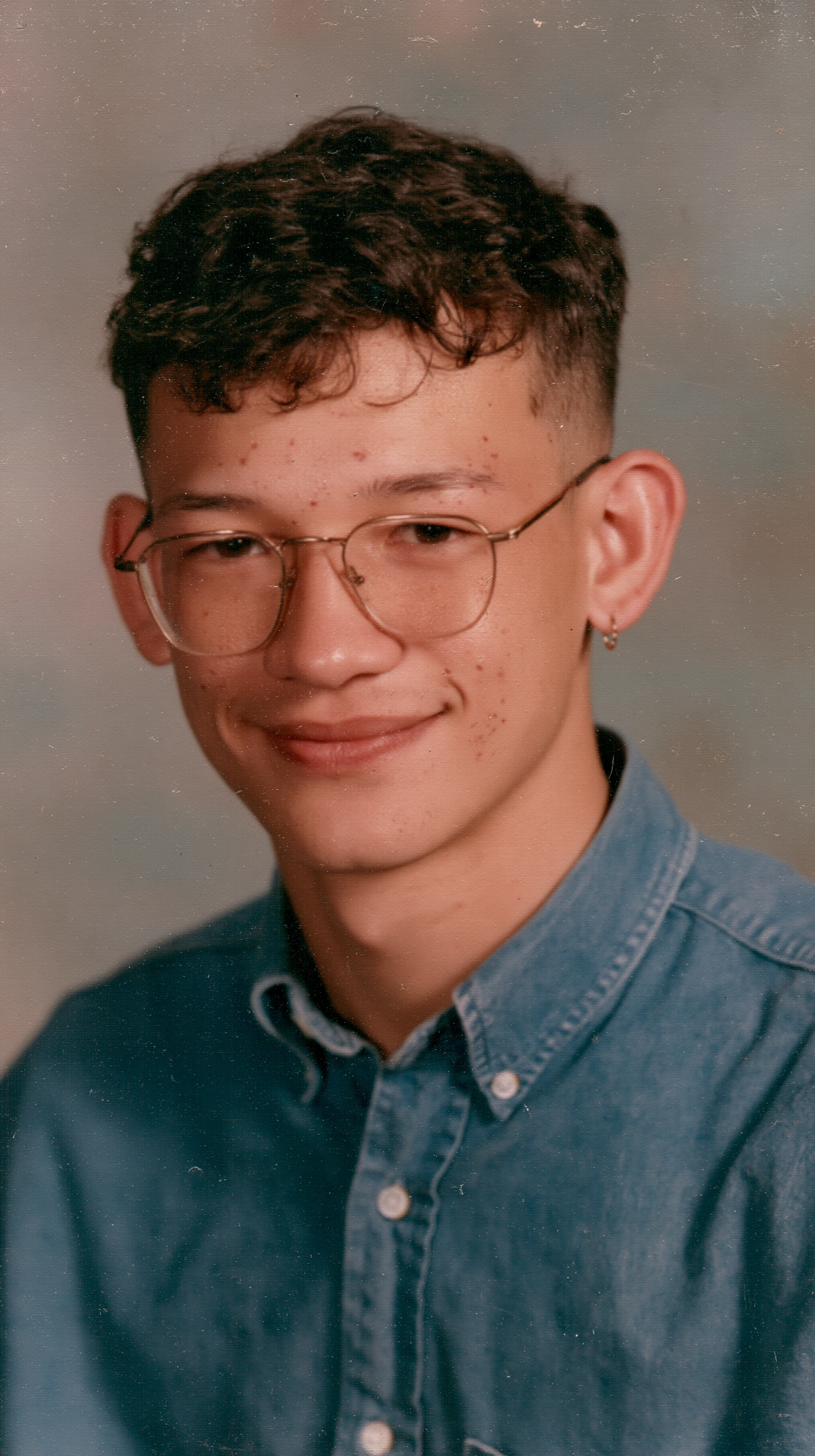
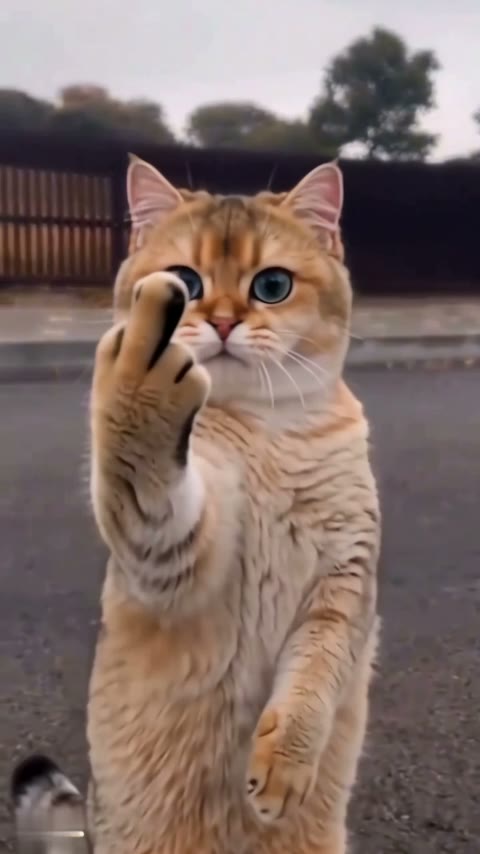
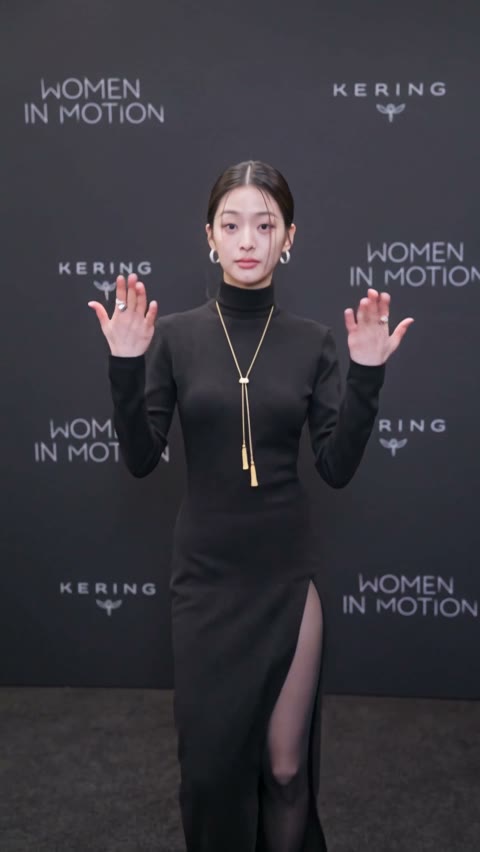
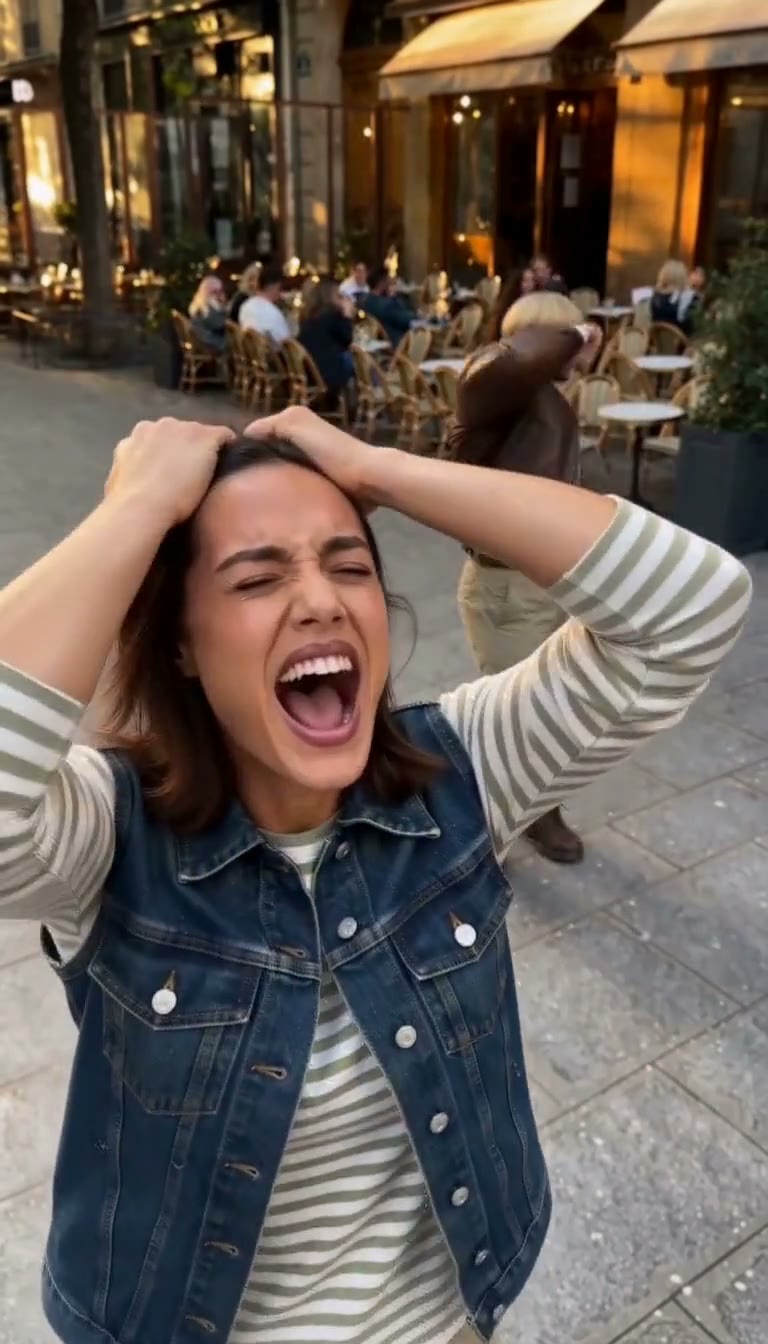
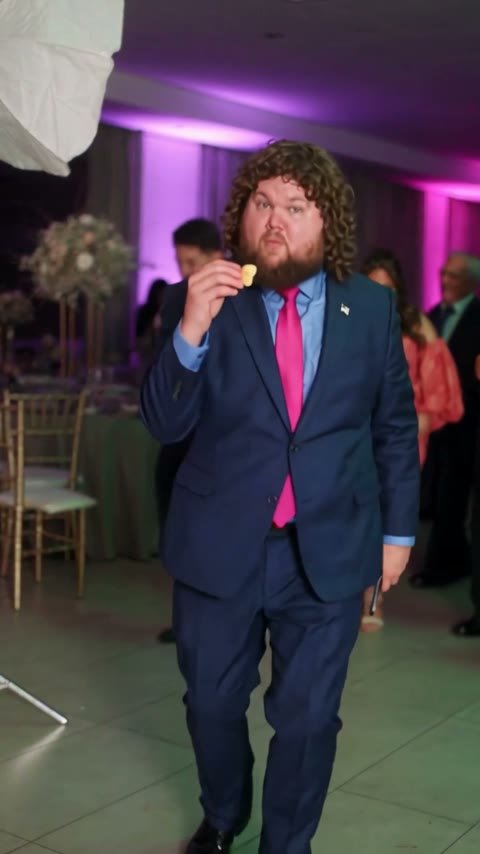
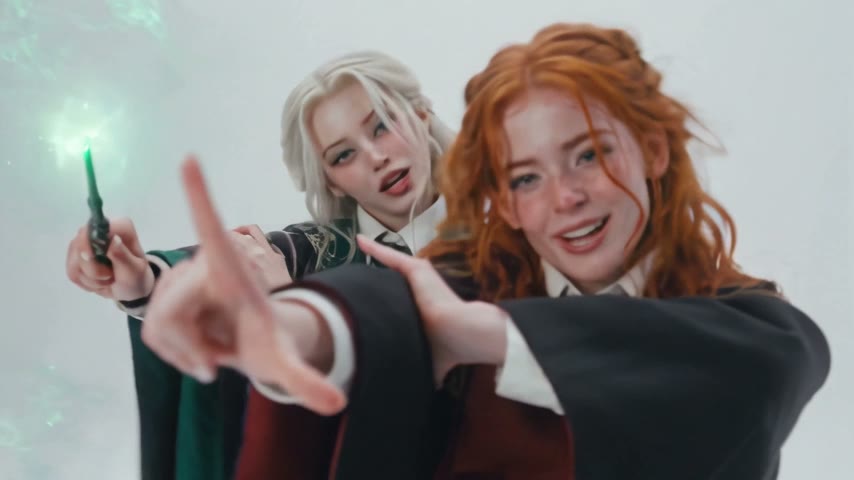
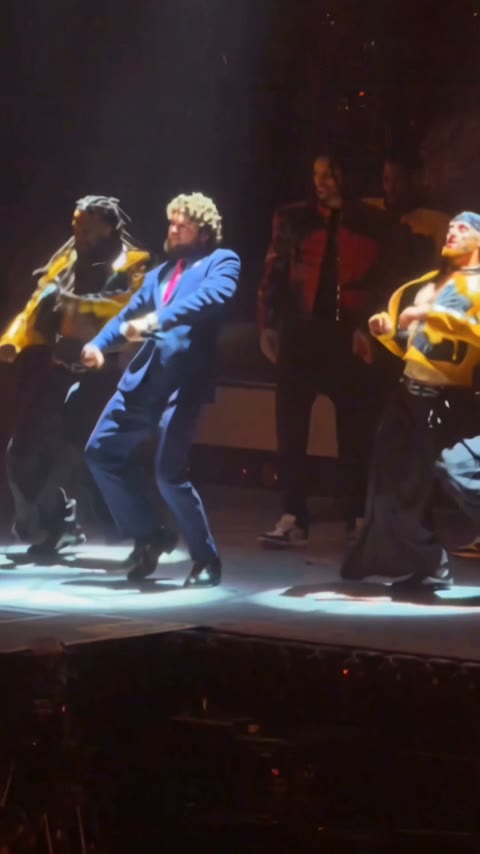
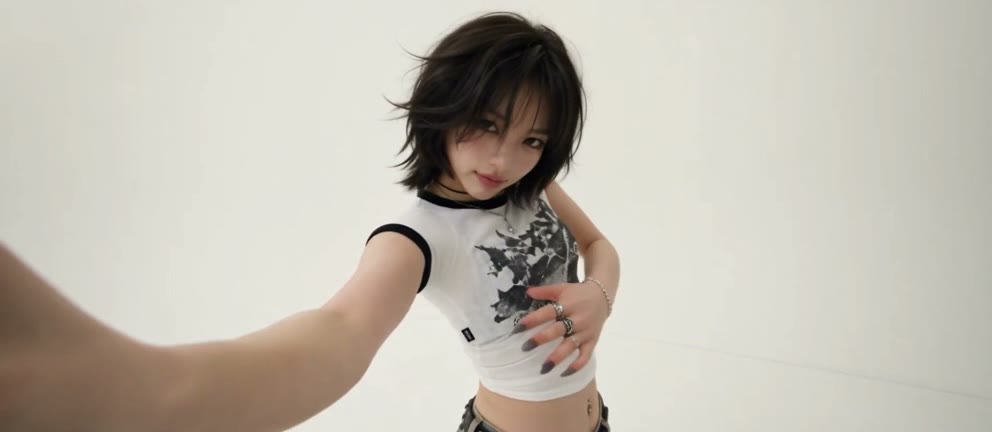
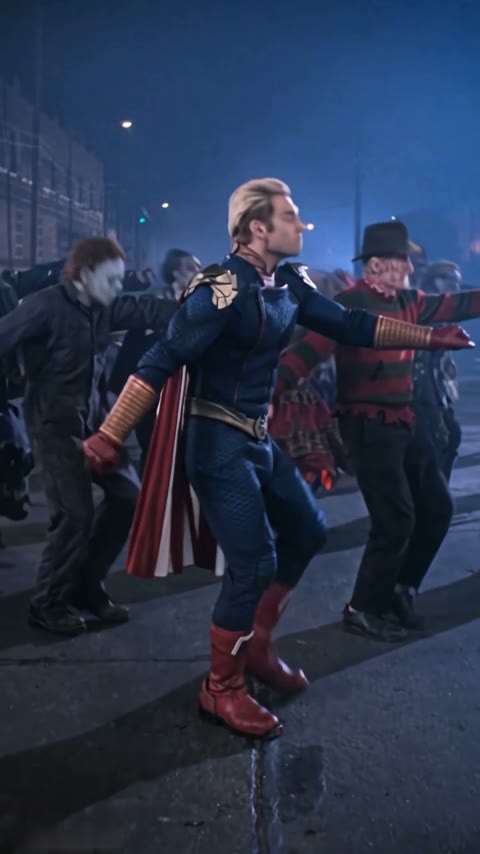
Open this page, upload two photos (photo 1 starts far back, photo 2 starts at the camera) and press Generate. The model and prompt are already set up, so in about 3 minutes you get a 9-second vertical video of the two of you doing the squash and switch, with sound.
The Hop Hop Hop trend is a two-person TikTok gag: one person at the camera squashes a friend hopping far behind with a flat hand, then a hard cut switches their places and the friend squashes back. It took off with @gabilagaba's post on 18 October 2026.
0–2s, the photo 2 person dances at the camera while the photo 1 person hops far behind; 2–4s, a flat hand comes down on the beat and the far person squats as if squashed; around 4s, a hard cut switches them; 4–9s, the photo 1 person is now at the camera, pointing and squashing the photo 2 person in the back.
It's also called the gabi trend, the squash and swap trend, and the Her Boyfriend dance. Gabi comes from @gabilagaba, whose post made it go viral; Her Boyfriend is the English meaning of the song title.
It's "Её парень" ("Her Boyfriend") by the Russian artist Shluzov, released on 23 January 2026. TikTok uses a slowed-down version, and the template video comes with that sound.
Not completely. New accounts get 75 free credits, and one Hop Hop Hop AI Dance video takes 180. The one-time $4.99 trial pack (540 credits) covers three videos at about $1.66 each, with no subscription. The exact cost shows on the Generate button, and failed renders are refunded automatically.
About $1.66 for one video. That is 180 credits for a 9-second, 480p vertical clip with sound, ready in about 3 minutes.
Four reasons: both people look like their photos, it costs less, you get a clean video, and it's ready to post.
Looks like your friends: each person keeps their own face, hair and outfit, and nobody turns into the other after the switch. Our first two settings lost track of who was who after the cut; the template uses the one that worked, so you don't pay for retries.
Costs less: about $1.66 per video with a one-time $4.99 pack, no subscription, the lowest per-video price among the Hop Hop Hop generators whose prices we found.
Clean video: no watermark on any plan, free credits included, and if a render fails your credits come back automatically.
Ready to post: vertical, 9 seconds with sound, so it goes straight to TikTok, Reels or Shorts with no editing, dubbing or cropping.
Photo 1 is the person who starts far back and gets squashed first, then takes the camera after the cut. Photo 2 starts at the camera and does the first squash. To change who goes first, switch the two uploads.
Usually the two photos look too alike, so after the switch the model can't tell who is who. Use two people with clearly different outfits or hair, then run this template again.
Usually it's a face-only close-up: the person in the back is small and seen head to toe. Use a sharp knees-up or full-body photo of one person facing the camera, then run this template again.
No. Each person wears the clothes from their own photo; only the room, the moves and the sound come from the template.
No. It's a fan-made template, not affiliated with TikTok, Shluzov or the creators of the trend.
Your photos and videos stay in your account, so you can download them again from My Videos at any time. They are never used to train AI models and are not sold or shared, except with the video model provider that renders your clip.
Last updated